CHEMICAL COMPOUNDS

A chemical compound is a chemical substance composed of many identical molecules (or molecular entities) composed of atoms from more than one element held together by chemical bonds. A molecule consisting of atoms of only one element is therefore not a compound.
Calcium Carbonate:
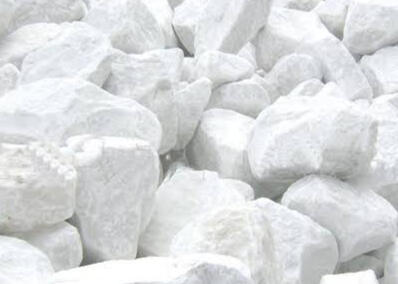
Calcium carbonate is a dietary supplement used when the amount of calcium taken in the diet is not enough. Calcium is needed by the body for healthy bones, muscles, nervous system, and heart. Calcium carbonate also is used as an antacid to relieve heartburn, acid indigestion, and upset stomach.
Formula: CaCO3
IUPAC ID: Calcium carbonate
Molar mass: 100.0869 g/mol
Density: 2.71 g/cm³
Melting point: 825 °C
ChemSpider ID: 9708
Sodium Chloride:
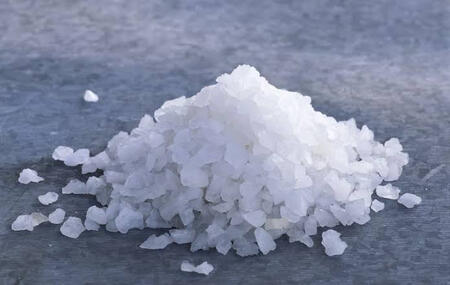
Sodium chloride is the chemical name for salt. Sodium is an electrolyte that regulates the amount of water in your body. Sodium also plays a part in nerve impulses and muscle contractions. Sodium chloride is used to treat or prevent sodium loss caused by dehydration, excessive sweating, or other causes.
Formula: NaCl
IUPAC ID: Sodium chloride
Molar mass: 58.44 g/mol
Melting point: 801 °C
Boiling point: 1,465 °C
Methane:
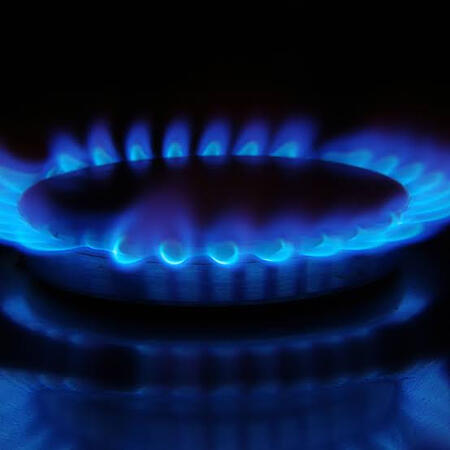
Methane is a chemical compound with the chemical formula CH₄. It is a group-14 hydride and the simplest alkane, and is the main constituent of natural gas.
Formula: CH₄
IUPAC ID: Methane
Molar mass: 16.04 g/mol
Boiling point: -161.6 °C
Melting point: -182 °C
Aspirin:
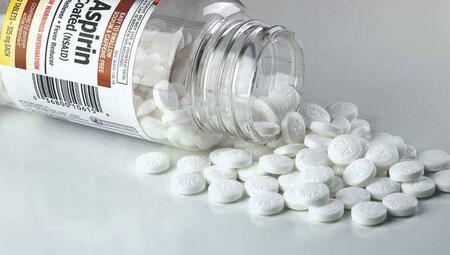
Aspirin, also known as acetylsalicylic acid, is a medication used to reduce pain, fever, or inflammation. Specific inflammatory conditions which aspirin is used to treat include Kawasaki disease, pericarditis, and rheumatic fever. Aspirin given shortly after a heart attack decreases the risk of death.
Formula: C₉H₈O₄
IUPAC ID: 2-Acetoxybenzoic acid
Molar mass: 180.158 g/mol
Melting point: 135 °C
Density: 1.4 g/cm³
Boiling point: 140 °C
Potassium tartrates:
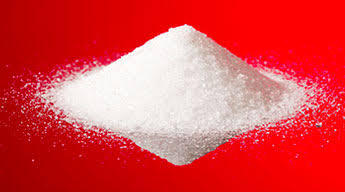
Potassium tartrate, dipotassium tartrate or argol has formula K₂C₄H₄O₆. It is the potassium salt of tartaric acid. It is often confused with potassium bitartrate, also known as cream of tartar. As a food additive, it shares the E number E336 with potassium bitartrate.
Formula: C4H4K2O6
Molar mass: 226.27 g/mol
Density: 1.98 g/cm³
Chemical formula: C4H4K2O6
Crystal structure: monoclinic
Solubility: insoluble in alcohol
Sodium bicarbonate:
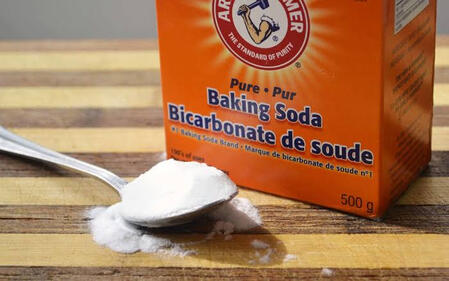
Sodium bicarbonate, commonly known as baking soda or bicarbonate of soda, is a chemical compound with the formula NaHCO₃. It is a salt composed of a sodium cation and a bicarbonate anion. Sodium bicarbonate is a white solid that is crystalline, but often appears as a fine powder.
Formula: NaHCO₃
IUPAC ID: Sodium hydrogen carbonate
Molar mass: 84.007 g/mol
Density: 2.2 g/cm³
Molar entropy: 102 J/(mol⋅K)
Paracetamol:
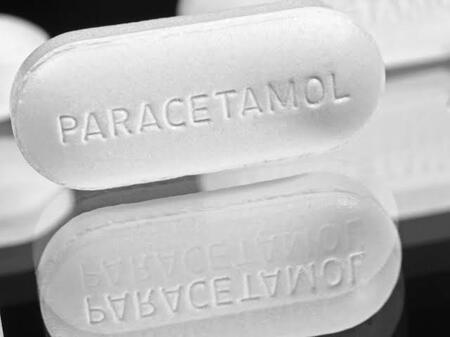
Paracetamol, also known as acetaminophen, is a medication used to treat pain and fever. It is typically used for mild to moderate pain relief. Evidence is mixed for its use to relieve fever in children. It is often sold in combination with other medications, such as in many cold medications.
Formula: C8H9NO2
Molar mass: 151.163 g/mol
Melting point: 169 °C
Other names: N-acetyl-para-aminophenol (APAP), acetaminophen (USAN US)
Drug class: Analgesics and antipyretics
IUPAC ID: N-(4-hydroxyphenyl)acetamide, N-(4-hydroxyphenyl)ethanamide
Soluble in: Alcohol, Water
Acetic acid:
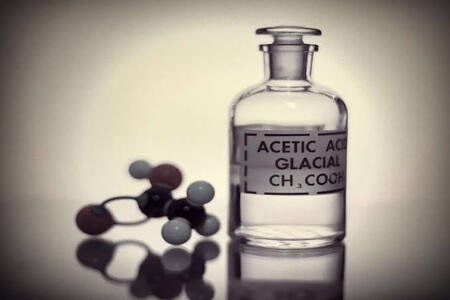
Acetic acid, systematically named ethanoic acid, is a colourless liquid organic compound with the chemical formula CH₃COOH. When undiluted, it is sometimes called glacial acetic acid. Vinegar is no less than 4% acetic acid by volume, making acetic acid the main component of vinegar apart from water.
Formula: CH₃COOH
IUPAC ID: Acetic acid
Molar mass: 60.052 g/mol
Boiling point: 118 °C
Density: 1.05 g/cm³
Melting point: 16.6 °C
Caffeine:

Caffeine is a central nervous system stimulant of the methylxanthine class. It is the world's most widely consumed psychoactive drug. Unlike many other psychoactive substances, it is legal and unregulated in nearly all parts of the world. There are several known mechanisms of action to explain the effects of caffeine.
Drug class: Stimulant
Onset of action: ~1 hour
Duration of action: 3–4 hours
Metabolism: Primary: CYP1A2; Minor: CYP2E1, CYP3A4, CYP2C8, CYP2C9
Other names: Guaranine; Methyltheobromine; 1,3,7-Trimethylxanthine; Theine
Elimination half-life: Adults: 3–7 hours; Infants: 65–130 hours
Propane:
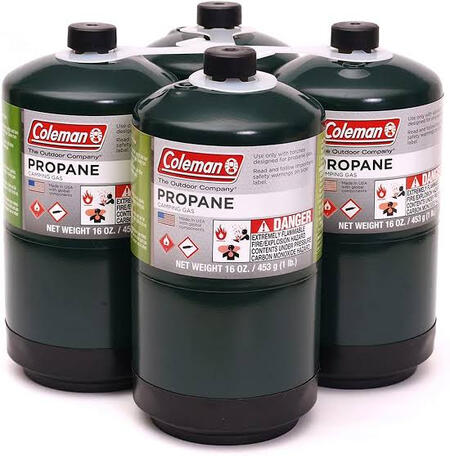
Propane is a three-carbon alkane with the molecular formula C₃H₈. It is a gas at standard temperature and pressure, but compressible to a transportable liquid.
Formula: C3H8
Molar mass: 44.1 g/mol
IUPAC ID: Propane
Boiling point: -42 °C
Melting point: -188 °C
Density: 493 kg/m³